

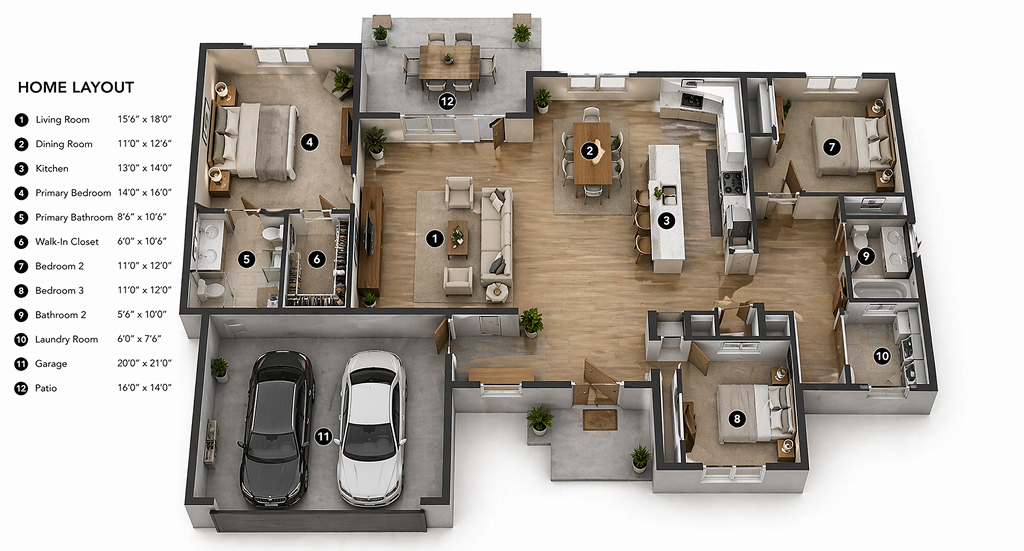
Many homeowners find themselves frustrated by the way their homes function day to day, especially in kitchens, bathrooms, and shared living spaces. Over time, what once worked can become an obstacle, leading to daily inconveniences or even safety concerns. This article helps you identify the early signs that your home’s layout may no longer support your lifestyle, and guides you in considering whether minor updates or a full remodel is the right next step.
Frequent Bottlenecks and Crowded Pathways
One of the most common signs of a layout issue is consistent crowding in high-traffic areas. If you regularly find yourself waiting for someone to move in the kitchen, squeezing past others in hallways, or struggling to open doors fully, your home’s flow may be holding you back. Kitchens with islands too close to counters, or narrow walkways between rooms, can make daily routines feel cramped and inefficient.
Limited or Inaccessible Storage
Storage that’s hard to reach or simply insufficient is a frequent source of frustration. If your cabinets are too high, pantry shelves are too deep, or closet space is always overflowing, it may be a sign that your home wasn’t designed for your current needs. Homeowners often notice this most in kitchens, bathrooms, and entryways, where clutter quickly builds up and organization becomes a challenge.
Outdated or Awkward Room Arrangements
Older homes often have layouts that no longer match modern living. Closed-off kitchens, small dining areas, or bathrooms located far from bedrooms can disrupt daily routines. If you find yourself avoiding certain rooms because they feel disconnected or impractical, it’s worth considering whether a new arrangement could improve your home’s usability.
Difficulties with Accessibility and Mobility
Homes that are hard to navigate can create problems for people of all ages. Steps between rooms, narrow doorways, or bathrooms without enough turning space can make daily life difficult, especially for families with young children, older adults, or anyone with mobility concerns. These issues often signal the need for layout updates or remodeling to create a safer, more comfortable environment.
Poor Lighting and Lack of Natural Flow
A well-designed home makes the most of natural light and allows for easy movement between spaces. If your living areas feel dark, isolated, or disconnected, it may be due to walls blocking light or rooms not aligning with how you use them. Homeowners often notice these issues when entertaining guests or trying to keep an eye on children while cooking or working.
Challenges with Entertaining or Daily Routines
If hosting friends or family feels like a struggle because of cramped seating, awkward furniture placement, or a lack of gathering space, your layout may be limiting your lifestyle. Similarly, if daily routines like preparing meals, doing laundry, or getting ready in the morning are consistently inefficient, it’s a sign your home could benefit from a new design approach.
Recognizing When Remodeling Makes Sense
When layout frustrations become a regular part of life, it’s time to consider your options. Sometimes, small adjustments like adding shelves or rearranging furniture can help. However, persistent issues—such as structural barriers, lack of storage, or outdated room arrangements—often require more significant changes. At this stage, consulting with a remodeling professional can help you explore solutions tailored to your needs. For more on residential remodeling and kitchen and bathroom updates, visit our remodeling services page.
Next Steps: Evaluating Your Home for Renovation
Start by making a list of daily frustrations and the areas where your home falls short. Consider how your needs have changed since you first moved in, and whether your current layout supports your routines. If you find that minor fixes aren’t enough, it may be time to explore a remodeling project. Learn more about the process and what to expect by visiting our residential remodeling and kitchen and bathroom remodeling pages.
Recognizing the early signs of an inefficient home layout is the first step toward a more functional and enjoyable living space. By understanding where your home no longer meets your needs, you can make informed decisions about updates or remodeling. Whether you choose small changes or a full renovation, addressing these issues can improve daily life and add lasting value to your property.
Frequently Asked Questions
Frequent crowding in hallways or kitchens, difficulty accessing storage, and awkward room arrangements are clear indicators. If you often feel cramped or avoid certain spaces, your layout may no longer fit your needs.
If small changes like adding shelves or moving furniture don’t resolve issues such as poor flow, limited storage, or inaccessible spaces, a remodel may be necessary. Persistent problems that affect daily routines often require more significant changes.
Start by listing specific frustrations and areas that disrupt your routines. Assess whether your needs have changed over time, and if minor fixes haven’t helped, consider consulting a remodeling professional to discuss your options.